Ostriches & Emus in Makueni County
Farm Activities Wildlife Conservation at Makoyo Village, Kenya
WILDLIFE & CONSERVATION
Kenya has very few emus. Makoyo Village is working to change that — one hatch at a time.
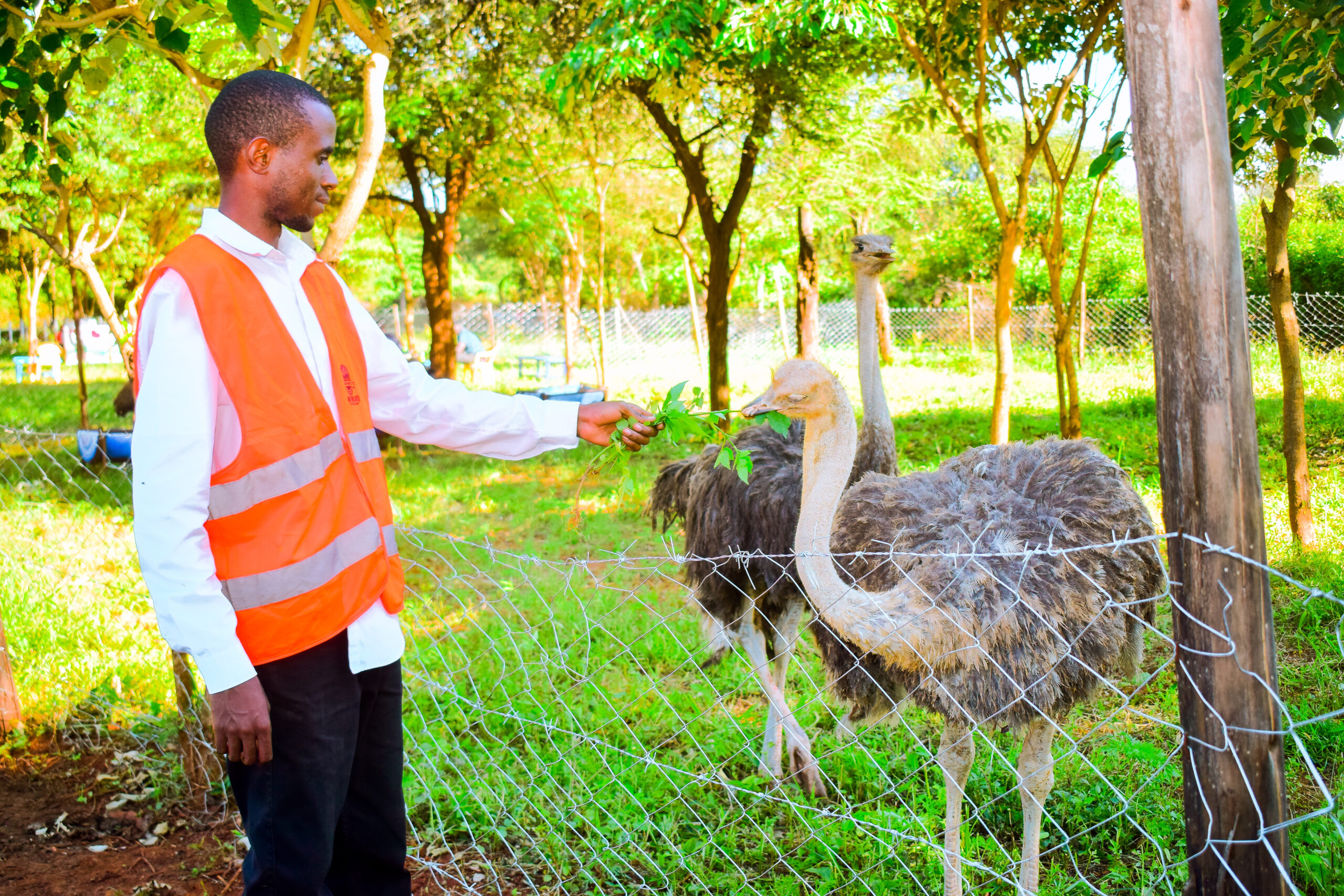
Our wildlife conservation programme breeds and protects ratites — a family of large, extraordinary, flightless birds that includes ostriches, emus, rheas, and kiwis. In the open drylands of Makueni County, where the landscape suits these remarkable animals, we are building one of Kenya’s most distinctive community-based wildlife programmes.
Our Emus
WILDLIFE & CONSERVATION
Kenya has very few emus. Makoyo Village is
working to changethat — one hatch at a time.
Our wildlife conservation programme breeds and protects ratites — a family of large, extraordinary, flightless birds that includes ostriches, emus, rheas, and kiwis. In the open drylands of Makueni County, where the landscape suits these remarkable animals, we are building one of Kenya’s most distinctive community-based wildlife programmes.
Our Ostriches
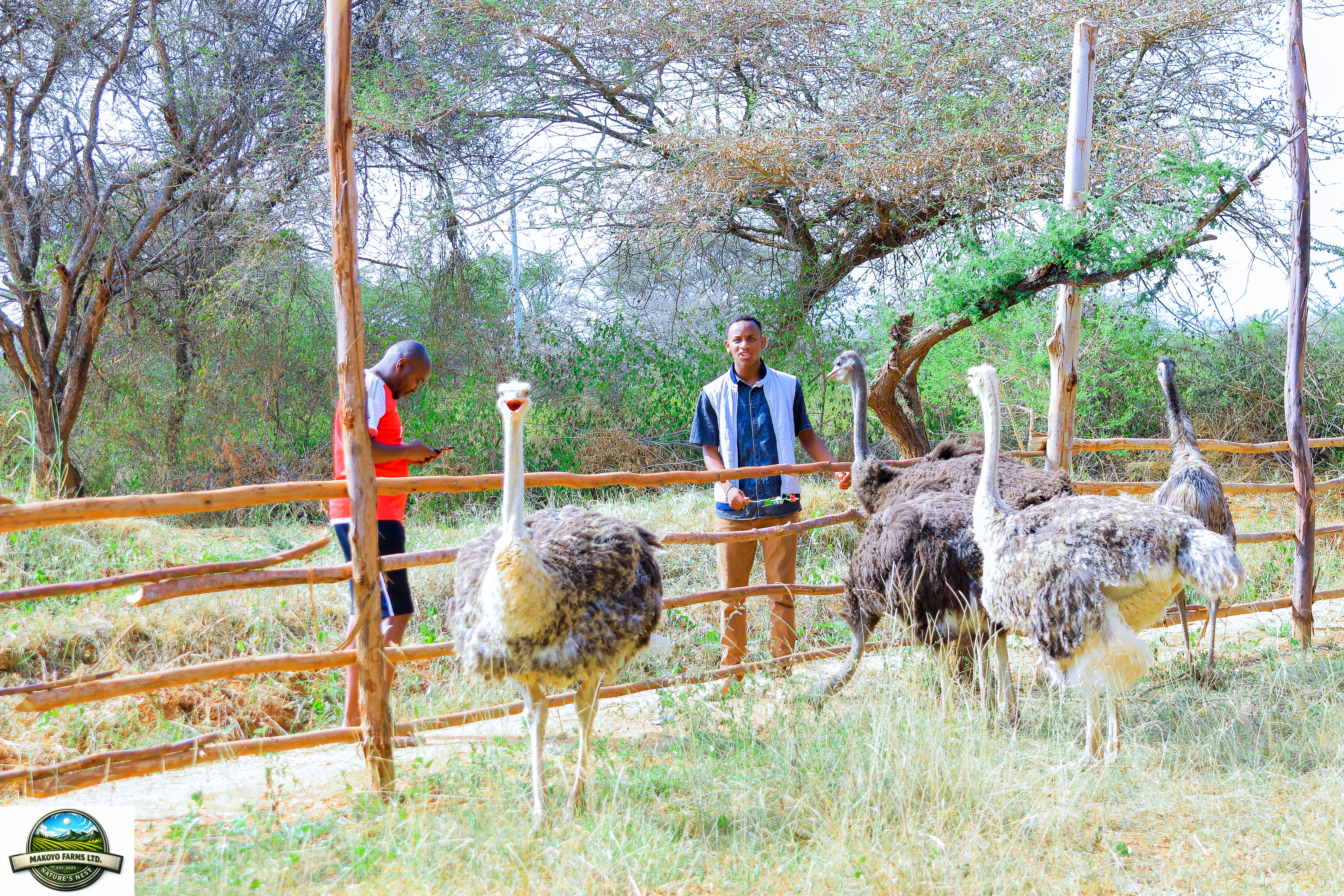
Africa’s own giant. The ostrich is the world’s largest bird, native to the African savannah, and entirely at home in Makueni County’s semi-arid landscape. Fast, powerful, and visually dramatic, our ostriches are a daily presence on the farm — and a constant reminder of how extraordinary the wildlife of this continent truly is.
Why Conservation Matters Here
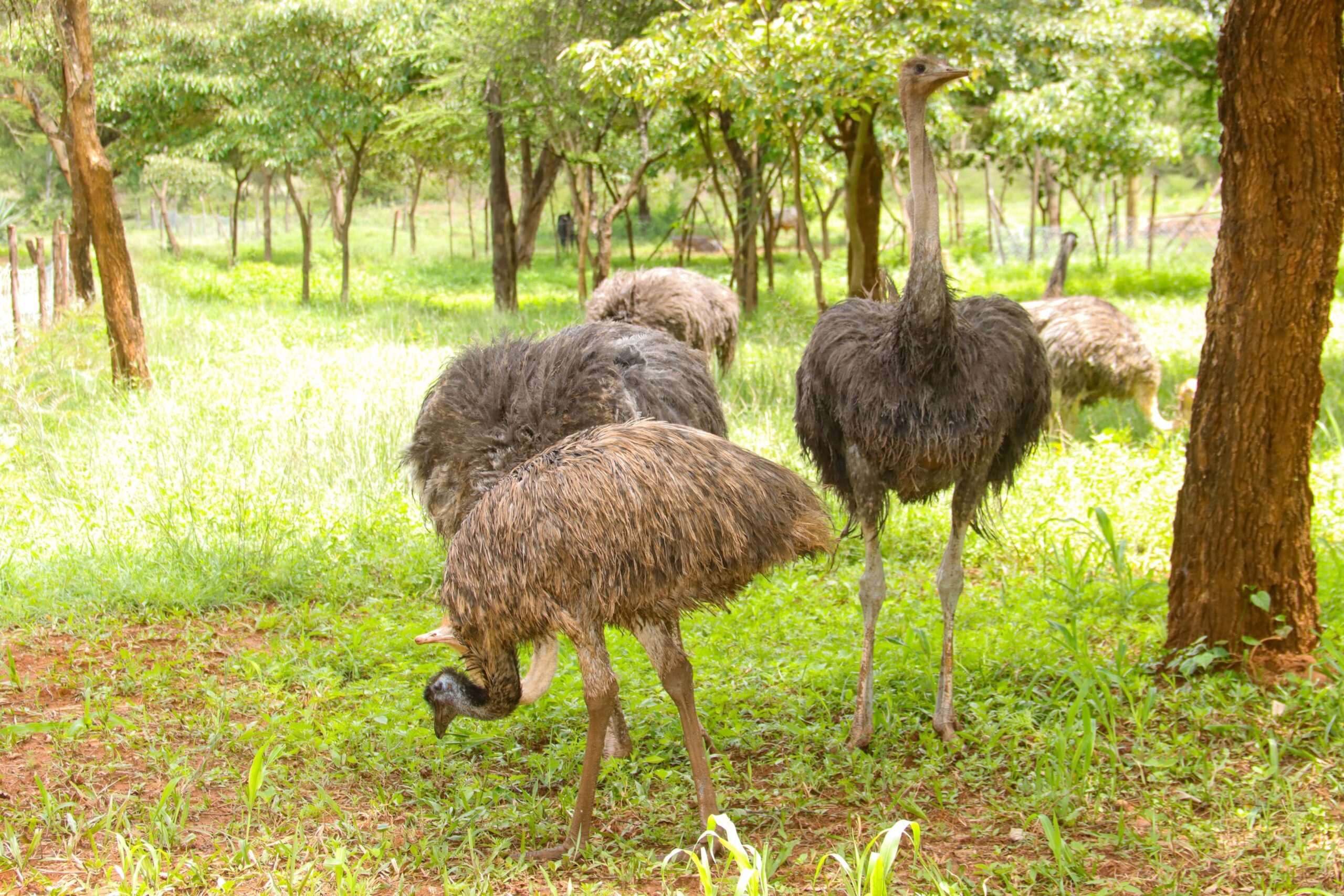
Makoyo Village’s conservation programme is not a display. It is an active breeding and protection effort grounded in a belief that community-based conservation — where the people living alongside wildlife are its primary guardians — is the most durable form of protection.
When children from Kasikeu and visiting schools stand next to an emu for the first time, something happens. They get curious. They ask questions. They go home and tell their families. That curiosity is where conservation actually begins.
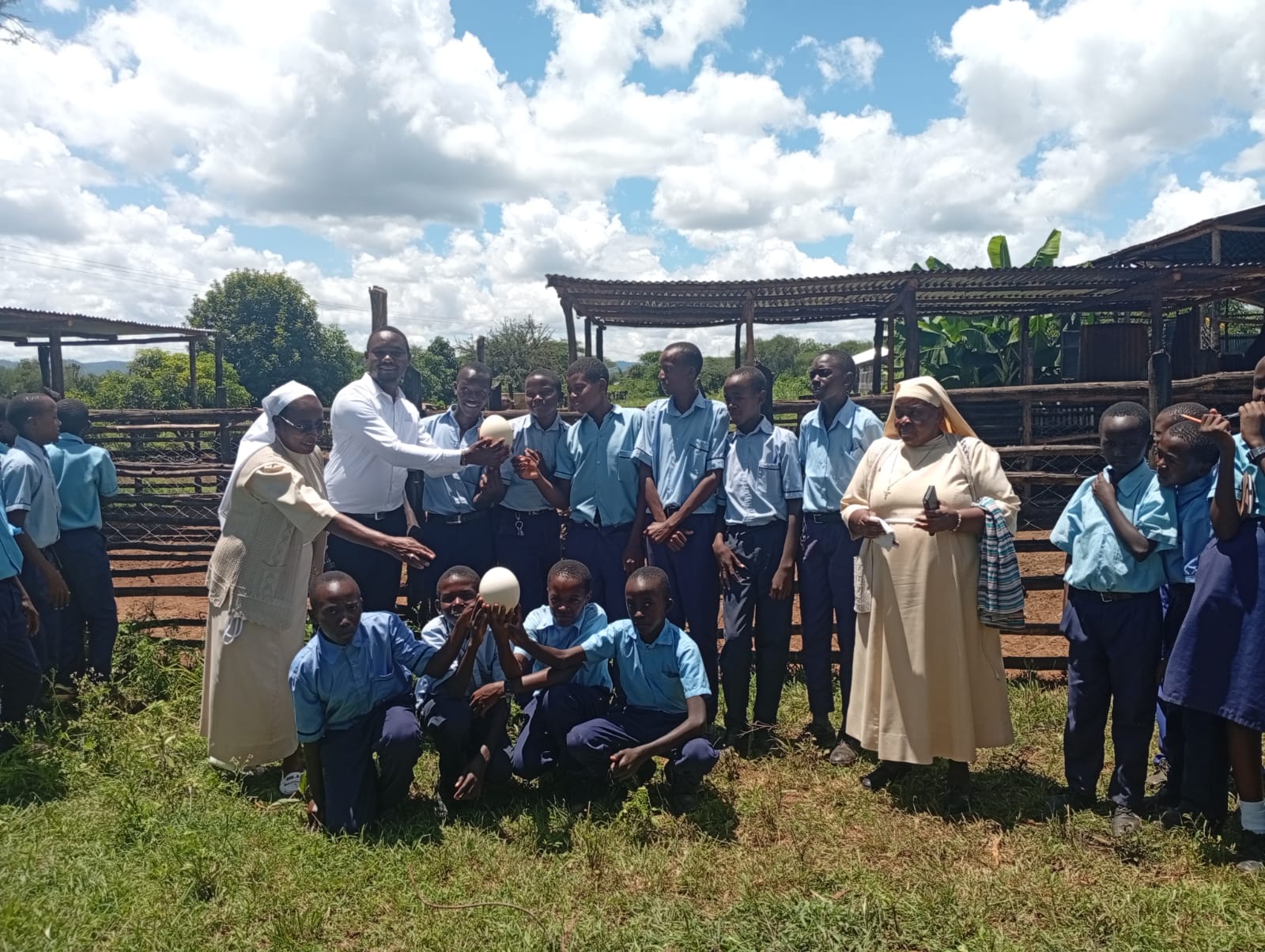
CBC School Wildlife Programme
Our wildlife programme is aligned with Kenya’s Competency Based Curriculum. Schools visiting Makoyo Village can access structured wildlife education sessions covering:
Ratite biology —
size, speed, anatomy, and adaptations to semi-arid environments
Conservation —
Hands-on encounter —
supervised, safe, and genuinely memorable
Biodiversity —
the relationship between land management, farming, and wildlife
Wildlife encounters with our ostriches and emus are available daily.
Included with every Bantu Harmony Homes stay.Available to day visitors with advance booking.Structured CBC sessions available for school groups.